
If there’s one thing we can all do to help the environment, it’s recycle. Recycling takes unwanted or used material and remanufactures it into something new, cutting our impact on the environment, supporting sustainability, and shrinking our carbon footprint. It can even make you money. Despite that, recycling rates in the U.S. remain low: the EPA estimates that almost 75% of what ends up in our waste stream could be recycled, yet only around 30% of it actually is. Here’s a closer look at the numbers, material by material.
Plastic

- Plastic makes up 12% of municipal solid waste in the United States, roughly 35.7 million tons, according to the EPA.
- Only about 3.1 million tons of that plastic gets recycled — a recycling rate of just 8.7%.
- 86% of plastic bottles in the U.S. end up in a landfill or incinerator, averaging around 60 million bottles every day.
"Everyone can help our environment if we just say no to single use plastics." — Scott R. Gardner, CEO / Founder, RecyclingBin.com
Plastic Bags
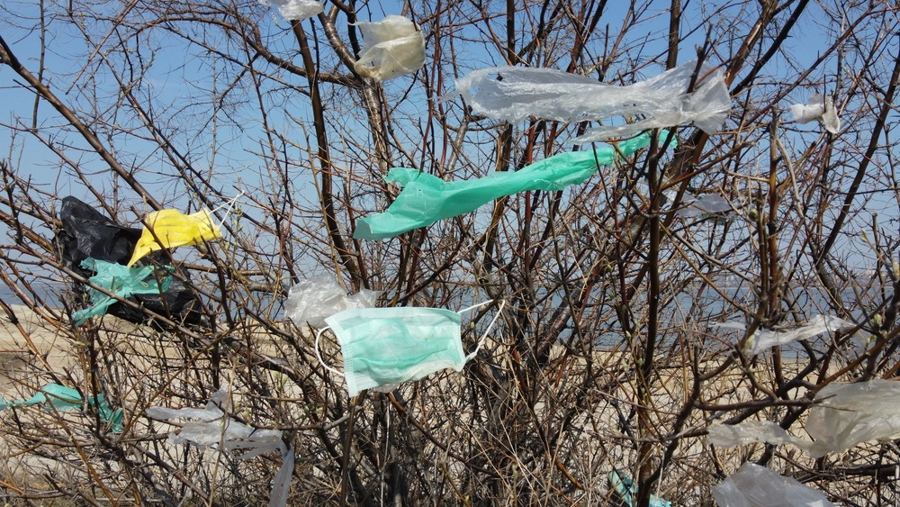
- Americans use roughly 100 billion plastic bags per year, and only about 1% are recycled.
- It takes an estimated 12 million barrels of oil to produce one year’s supply of plastic bags in the U.S.
- Driving one mile uses roughly the same amount of gas it takes to produce 14 plastic bags.
- The average plastic bag is used for only about 12 minutes before it’s thrown away.
- Plastic bags are consistently among the most common items found during coastal cleanups.
Aluminum
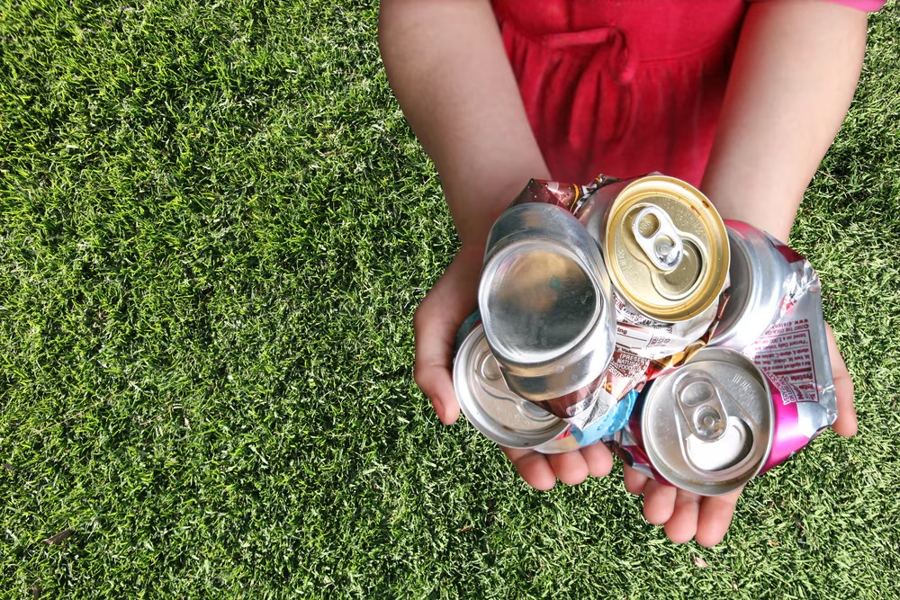
- Almost 75% of the aluminum ever produced in the U.S. is estimated to still be in use today.
- A used aluminum can is recycled and back on shelves as a new can in as little as 60 days.
- There is no practical limit to how many times aluminum can be recycled.
- Recycling a single aluminum can saves enough energy to run a TV for three hours, or about half a gallon of gasoline.
- Recycling aluminum saves over 90% of the energy needed to produce new aluminum from raw ore.
- Americans throw away more than $700 million worth of aluminum cans every year.
Metal and Steel
- Recycling steel and tin cans saves about 74% of the energy it takes to make them from virgin materials.
- A steel mill running on recycled scrap cuts water pollution, air pollution, and mining waste by roughly 70%.
Glass

- An estimated 80% of collected glass gets remade into new containers.
- Making new glass bottles with 50% recycled content saves enough energy to power 45,000 households for a year, and keeps over 180,000 tons of waste out of landfills each month.
- A typical glass processing facility can handle about 20 tons of color-sorted glass an hour.
- Single-stream bins tend to contaminate glass and lower recycling rates — separate glass bins recover far more usable material.
Paper
- Paper had an average recycling rate of 68.2% in 2018, according to the EPA — one of the better-performing materials.
- Recycling one ton of paper saves 17 mature trees, 7,000 gallons of water, 3 cubic yards of landfill space, and about 380 gallons of oil.
- Every ton of paper recycled saves roughly the energy equivalent of 165 gallons of gasoline.
- Recycling paper instead of making it from new materials generates about 74% less air pollution and uses 50% less water.
Corrugated Cardboard
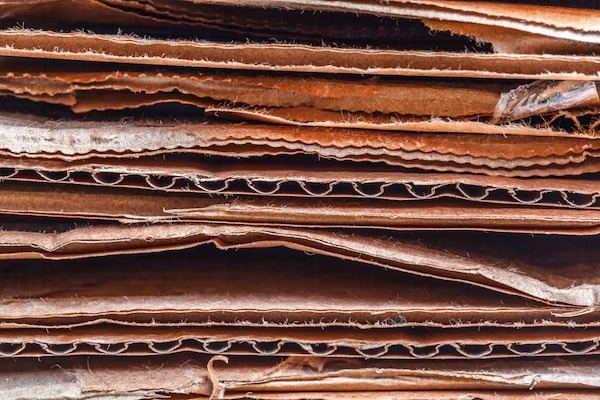
- Up to 80% of products sold in the U.S. are shipped in some form of cardboard packaging.
- Recycling cardboard saves about 24% of the energy needed to produce it new.
- Recycling one ton of cardboard saves the equivalent of roughly 46 gallons of oil.
- Recycling one ton of corrugated cardboard saves up to 700 gallons of water.
The Growth of Landfill
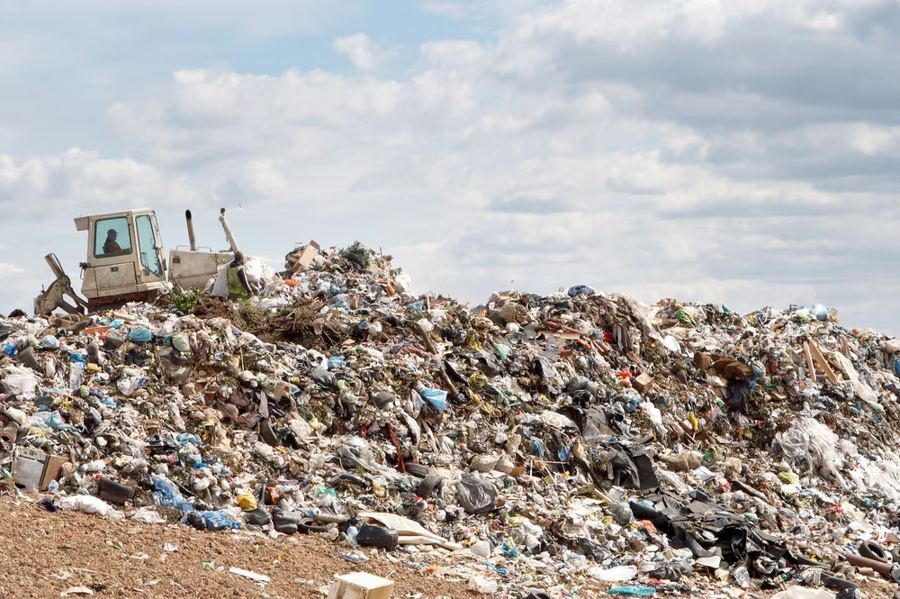
- Globally, we generate an estimated 1.3 billion tons of landfill waste each year, a figure projected to climb toward 2.2 billion tons by 2025.
- The U.S. alone produces over 290 million tons of municipal solid waste per year, filling more than 2,000 landfills nationwide.
- The EPA estimates 75% of the U.S. waste stream could be recycled — but the national recycling rate has never topped 35%, and has trended downward since 2018.
- Hitting a 75% recycling rate in the U.S. would have roughly the same environmental impact as taking 50 million cars off the road.
Interested in what actually happens to material after it’s collected? Learn more about the recycling process.